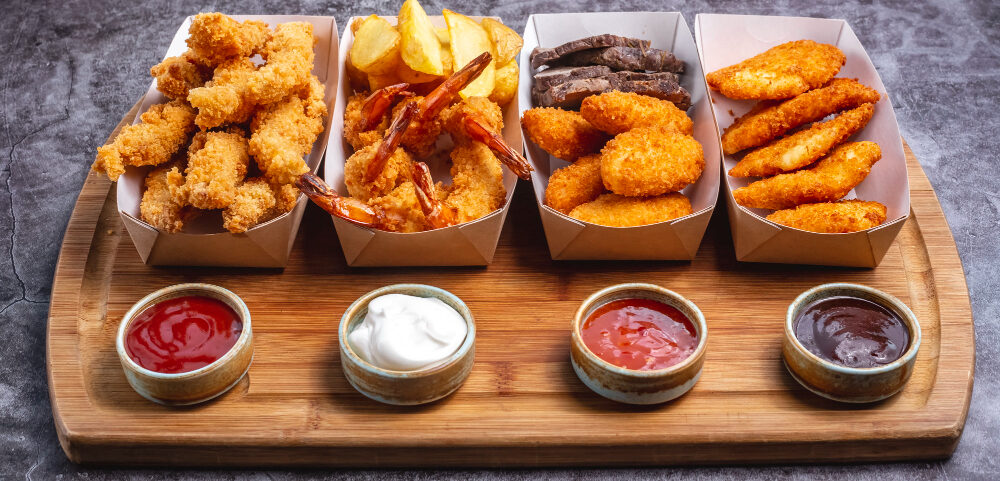

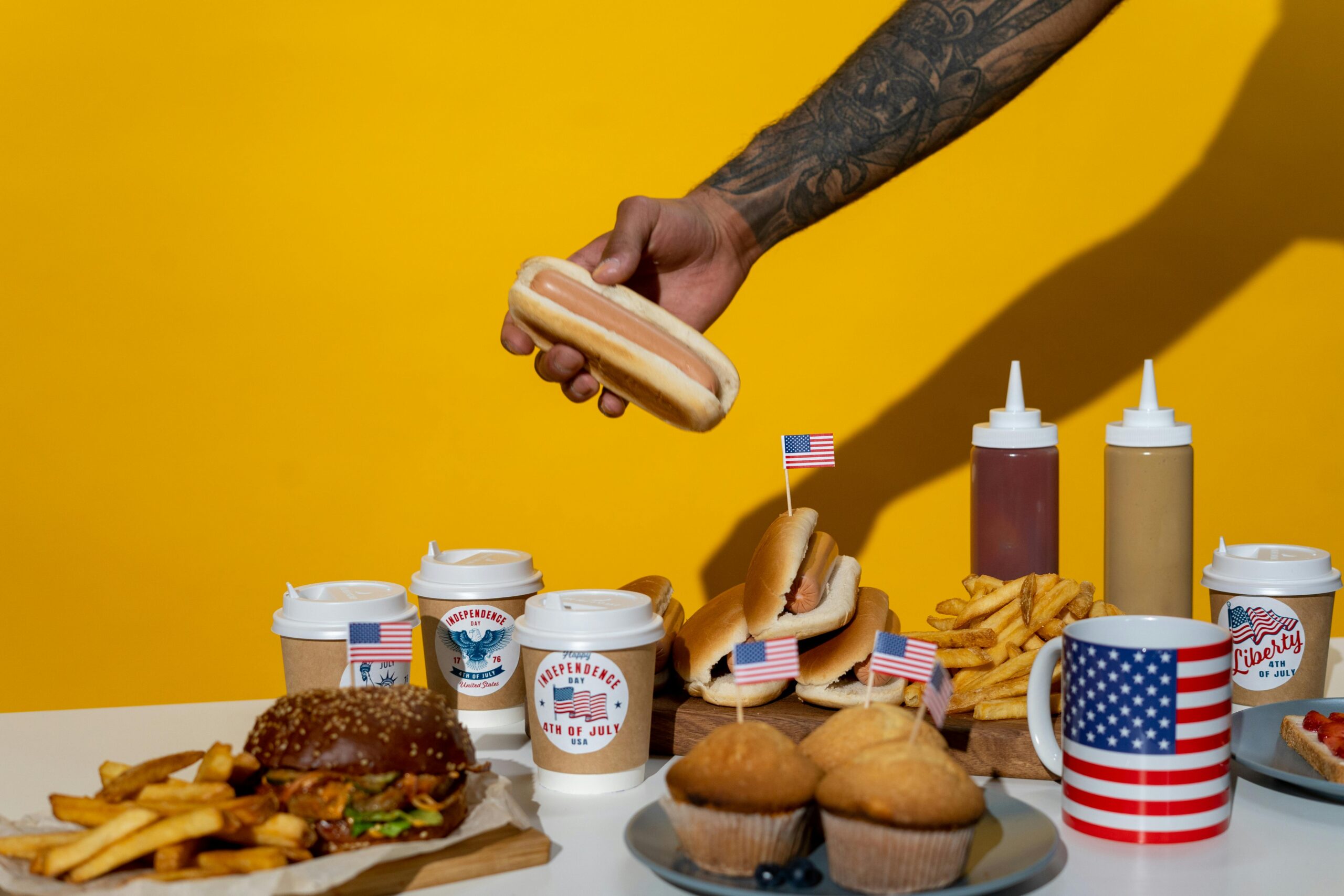
Fast food restaurants have become one of the biggest parts of modern food culture around the world. In nearly every city, people can easily find burger shops, pizza restaurants, fried chicken outlets, sandwich bars, taco stands, and delivery kitchens operating day and night. Fast food is no longer just about quick meals. It has become a major industry connected with technology, entertainment, digital marketing, online delivery, social media, and lifestyle trends.
Modern consumers often live busy lives filled with work, education, travel, and online activities. Because of this, convenient meals have become extremely important. Fast food restaurants provide quick service, affordable prices, tasty meals, and easy access through delivery applications. These factors continue making fast food one of the fastest-growing industries worldwide.
At the same time, the food industry is evolving rapidly. Restaurants are introducing healthier menu items, digital ordering systems, smart kitchens, eco-friendly packaging, and social media marketing strategies to attract modern customers. The combination of convenience and innovation is helping fast food businesses remain highly successful in today’s competitive market.
The Evolution of Fast Food
Fast food has changed significantly over the years. Earlier fast food restaurants mainly focused on speed and low-cost meals. Today, customers expect much more than quick service.
Modern fast food restaurants now focus on:
Food quality
Restaurant atmosphere
Customer experience
Menu variety
Online ordering
Digital payment systems
Branding and social media presence
Fast food chains now compete heavily to create unique dining experiences. Many restaurants use stylish interior designs, music, digital screens, loyalty programs, and influencer marketing to attract younger audiences.
The industry continues adapting to changing customer expectations and digital trends.
Why Customers Love Fast Food
Fast food remains popular because it offers convenience and comfort to people with busy schedules.
Quick Service
Customers can receive meals within minutes instead of spending hours cooking at home. Fast service is especially important for students, office workers, and travelers.
Affordable Meals
Many fast food businesses offer combo deals, discounts, and budget-friendly meals that attract customers from different income groups.
Delicious Taste
Fast food is designed to be flavorful and satisfying. Restaurants spend significant time developing recipes, sauces, seasonings, and menu combinations.
Easy Accessibility
Fast food restaurants are available almost everywhere including shopping malls, highways, airports, food courts, and residential areas.
Delivery Convenience
Online delivery applications allow customers to order food directly from smartphones without leaving home.
Digital Food Delivery Growth
Food delivery services have completely transformed the restaurant industry.
Customers now use mobile applications to:
Browse menus
Compare prices
Read reviews
Track delivery
Use online payments
Access discount offers
Delivery services have created huge opportunities for restaurants because businesses can now reach customers beyond physical store locations.
Cloud kitchens and virtual restaurants have also become increasingly popular. These businesses operate only through online delivery systems without traditional dining areas.
The growth of digital food delivery continues reshaping the future of fast food businesses worldwide.
Popular Fast Food Categories
Fast food menus now include a huge variety of meal options designed for different customer preferences.
Burgers
Burgers remain one of the most popular fast food items globally. Restaurants continue introducing premium burgers with unique sauces, cheese varieties, grilled meats, and spicy flavors.
Pizza
Pizza is loved because of its customizable toppings and family-friendly appeal. Online pizza delivery has become one of the strongest sectors in the food industry.
Fried Chicken
Crispy fried chicken, spicy wings, chicken sandwiches, and chicken buckets remain extremely popular among younger audiences.
Sandwiches and Wraps
Health-conscious customers often prefer grilled sandwiches, wraps, and lighter meal options.
Desserts and Drinks
Milkshakes, ice cream, soft drinks, coffee beverages, and desserts are important parts of modern fast food menus.
Fast Food Menu Price Chart
| Menu Item | Average Price (USD) | Average Price (PKR) |
|---|---|---|
| Classic Beef Burger | $5 | 1400 PKR |
| Double Cheese Burger | $7 | 1900 PKR |
| Crispy Chicken Burger | $6 | 1700 PKR |
| Medium Pizza | $12 | 3400 PKR |
| Large Pizza | $18 | 5000 PKR |
| Fried Chicken Bucket | $15 | 4200 PKR |
| Chicken Wrap | $5 | 1450 PKR |
| Loaded Fries | $4 | 1200 PKR |
| Hot Dog | $4 | 1100 PKR |
| Club Sandwich | $6 | 1650 PKR |
| Chicken Wings | $8 | 2300 PKR |
| Soft Drink | $2 | 550 PKR |
| Chocolate Milkshake | $4 | 1150 PKR |
| Ice Cream Sundae | $3 | 850 PKR |
| Family Combo Deal | $25 | 7000 PKR |
Average Calories Chart for Fast Food Meals
| Food Item | Estimated Calories |
|---|---|
| Beef Burger | 550 Calories |
| Double Cheese Burger | 720 Calories |
| Chicken Burger | 650 Calories |
| Large Fries | 420 Calories |
| Fried Chicken Piece | 320 Calories |
| Pizza Slice | 310 Calories |
| Chicken Wrap | 430 Calories |
| Hot Dog | 390 Calories |
| Milkshake | 520 Calories |
| Ice Cream Sundae | 360 Calories |
| Loaded Fries | 540 Calories |
| Chicken Wings | 290 Calories |
| Club Sandwich | 470 Calories |
| Soft Drink | 180 Calories |
| Grilled Chicken Salad | 260 Calories |
Fast Food and Social Media
Social media has become one of the biggest marketing tools for restaurants.
Platforms like:
Instagram
TikTok
Facebook
YouTube
help restaurants promote:
New menu items
Food photography
Special discounts
Limited-time offers
Customer experiences
Viral food trends
Food influencers also play a major role in restaurant marketing today. Many restaurants collaborate with creators to increase online visibility and attract younger customers.
Short-form food videos have become extremely popular because people enjoy watching visually appealing meals and restaurant experiences.
Technology in Modern Restaurants
Technology is changing how fast food businesses operate.
Modern restaurants now use:
Self-order kiosks
Digital menu boards
Online payment systems
Mobile applications
Artificial Intelligence
Automated cooking equipment
AI systems help businesses analyze customer behavior, predict sales, improve inventory management, and personalize marketing campaigns.
Automation also improves service speed and reduces operational delays.
Technology continues making restaurants more efficient and customer-friendly.
Fast Food and Youth Culture
Fast food is strongly connected with youth culture and modern entertainment.
Young consumers often visit fast food restaurants because they provide:
Affordable meals
Social spaces
Comfortable environments
Internet access
Trendy food experiences
Many brands specifically target younger audiences through social media campaigns, gaming collaborations, influencer promotions, and limited-edition menu items.
Fast food culture has become part of modern entertainment and lifestyle trends.
Importance of Branding in the Food Industry
Strong branding is extremely important for restaurant success.
Successful fast food brands focus heavily on:
Logo design
Restaurant colors
Packaging
Food presentation
Customer experience
Online marketing
Brand identity helps businesses stand out in highly competitive markets.
Customers often return to restaurants they recognize and trust.
Restaurants with strong branding usually perform better on social media and digital platforms.
Health Awareness and Changing Trends
Although fast food remains popular, health awareness is influencing customer behavior.
Many customers now prefer:
Fresh ingredients
Lower-calorie meals
Grilled foods
Organic ingredients
Protein-rich options
Vegetarian meals
Because of this, many restaurants are introducing healthier menu alternatives alongside traditional fast food items.
The balance between convenience and health is becoming increasingly important in the food industry.
Environmental Concerns and Sustainability
Environmental sustainability is becoming a major focus for modern restaurants.
Businesses are working to reduce:
Plastic waste
Food waste
Excess packaging
Environmental pollution
Many restaurants now use:
Eco-friendly packaging
Paper straws
Recyclable containers
Sustainable ingredients
Customers increasingly support brands that demonstrate environmental responsibility.
Fast Food Business Opportunities
The fast food industry creates opportunities for:
Restaurant owners
Chefs
Food photographers
Digital marketers
Delivery drivers
Social media creators
Franchise investors
Content creators
The growth of online food culture has created entirely new business models and career opportunities.
Food blogging and restaurant reviewing have also become highly popular online industries.
Why Food Websites Matter
Modern restaurants need strong websites to compete effectively.
A professional restaurant website helps businesses:
Display menus
Show prices
Share promotions
Accept online orders
Build customer trust
Improve search engine visibility
Food websites also help businesses connect with customers through SEO content and digital marketing strategies.
Search engine optimization allows restaurants to attract customers searching online for:
Best burgers
Pizza delivery
Fast food deals
Restaurant reviews
Food trends
Nearby restaurants
Artificial Intelligence in Fast Food
Artificial Intelligence is becoming more important in the restaurant industry.
AI can help businesses:
Predict customer demand
Improve delivery efficiency
Analyze customer preferences
Manage inventory
Reduce food waste
Improve customer support
Some restaurants are even experimenting with robotic kitchens and automated food preparation systems.
Technology is expected to continue transforming the food industry in coming years.
Future of Fast Food Restaurants
The future of fast food will likely focus on:
Faster delivery systems
Healthier menu options
Smart kitchens
AI-powered ordering
Automation
Digital loyalty programs
Personalized customer experiences
Restaurants that adapt quickly to technology and changing customer expectations may continue growing successfully.
Online delivery and digital marketing will likely remain essential parts of the food industry.
Final Thoughts
Fast food restaurants continue dominating modern food culture because they combine convenience, affordability, technology, and entertainment into one experience.
From burgers and pizzas to online delivery applications and AI-powered kitchens, the industry keeps evolving rapidly to meet modern customer demands.
Social media, branding, digital ordering systems, and food delivery services are transforming how restaurants operate and connect with customers.
Although health awareness and sustainability concerns are influencing food trends, fast food remains one of the world’s most powerful and profitable industries.
As technology continues advancing, fast food businesses that embrace innovation, customer experience, and digital marketing may continue achieving strong growth in the future.