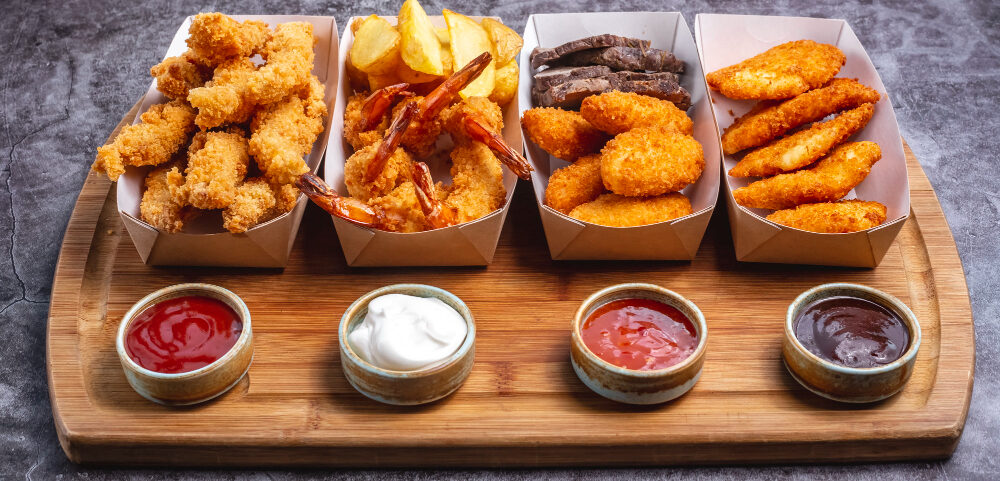


Fast food has become one of the most influential parts of modern food culture. In today’s fast-moving world, people often look for meals that are quick, affordable, tasty, and convenient. Because of changing lifestyles, busy work schedules, urban living, and digital food delivery services, fast food continues growing rapidly across the world.
From burgers and pizzas to fried chicken, sandwiches, tacos, and loaded fries, fast food has evolved into a global industry worth billions of dollars. Restaurants now compete not only on taste but also on speed, customer experience, online delivery, branding, and social media popularity.
In recent years, fast food culture has become deeply connected with entertainment, digital marketing, influencer trends, and modern lifestyles. People no longer visit fast food restaurants only for meals. Many customers also see them as social spaces where friends and families spend time together.
As food trends continue evolving, fast food businesses are adapting through technology, menu innovation, healthier options, and online ordering systems.
What Is Fast Food?
Fast food refers to meals that are prepared and served quickly. These foods are designed for convenience and are usually available through restaurants, takeaway services, food trucks, drive-thrus, and delivery applications.
Fast food meals often include:
Burgers
French fries
Pizza
Hot dogs
Chicken wings
Fried chicken
Sandwiches
Tacos
Wraps
Milkshakes
Soft drinks
The main goal of fast food businesses is to provide quick service while maintaining consistent taste and quality.
Popular Fast Food Calories Chart:
| Fast Food Item | Average Calories | Serving Size |
|---|---|---|
| Classic Beef Burger | 550 Calories | 1 Burger |
| Cheese Burger | 620 Calories | 1 Burger |
| Crispy Chicken Burger | 680 Calories | 1 Burger |
| Large French Fries | 420 Calories | 1 Pack |
| Fried Chicken Piece | 320 Calories | 1 Piece |
| Chicken Wings | 290 Calories | 5 Pieces |
| Pepperoni Pizza Slice | 310 Calories | 1 Slice |
| Loaded Fries | 540 Calories | 1 Box |
| Chicken Wrap | 430 Calories | 1 Wrap |
| Hot Dog | 390 Calories | 1 Hot Dog |
| Club Sandwich | 470 Calories | 1 Sandwich |
| Chocolate Milkshake | 520 Calories | 1 Glass |
| Soft Drink | 180 Calories | 500ml |
| Ice Cream Sundae | 360 Calories | 1 Cup |
| Grilled Chicken Salad | 260 Calories | 1 Bowl |
The Growth of Fast Food Around the World
The fast food industry has expanded rapidly over the last few decades. Urbanization, busy lifestyles, and digital technology have played major roles in this growth.
People living in cities often prefer quick meal solutions because they may not have enough time for cooking at home. Fast food restaurants provide affordable and accessible meals for students, workers, travelers, and families.
Global food chains have also helped popularize fast food culture internationally. Today, international fast food brands operate in thousands of cities around the world.
At the same time, local restaurants and independent food businesses continue creating unique fast food experiences inspired by regional flavors and cultural preferences.
Why Fast Food Is So Popular
Fast food remains popular for several reasons.
Convenience
One of the biggest reasons people choose fast food is convenience. Customers can order meals quickly without spending hours preparing food at home.
Drive-thru systems, takeaway counters, and food delivery apps have made fast food even more accessible.
Affordable Pricing
Many fast food restaurants offer budget-friendly meals, combo deals, and promotional discounts. This affordability makes fast food attractive to students and families.
Fast Service
Modern consumers often have limited time during workdays or travel. Fast food businesses focus on serving meals quickly while maintaining consistency.
Variety of Choices
Fast food menus now include a wide variety of options including:
Spicy foods
Vegetarian meals
Grilled items
Seafood
Desserts
Healthy alternatives
This variety allows businesses to attract different customer groups.
Digital Ordering
Food delivery applications and mobile ordering systems have transformed the fast food industry. Customers can now order meals directly from smartphones within minutes.
Fast Food and Technology
Technology is changing how fast food businesses operate.
Modern restaurants now use:
Digital menus
Self-order kiosks
Mobile applications
Online payment systems
AI-powered recommendations
Automated kitchen systems
These technologies improve speed, efficiency, and customer experience.
Delivery applications have become one of the most important parts of the modern food industry. Customers can order meals from restaurants without leaving their homes.
Many restaurants also use Artificial Intelligence to analyze customer behavior and improve marketing strategies.
Social Media and Fast Food Trends
Social media platforms play a major role in fast food marketing today.
Restaurants use platforms like:
Instagram
TikTok
Facebook
YouTube
to promote:
New menu items
Limited-time offers
Food challenges
Discount campaigns
Viral recipes
Food photography and short video content have become extremely powerful marketing tools for restaurants.
Many customers discover trending foods through social media before trying them in real life.
Influencer marketing has also become a major part of fast food advertising strategies.
Fast Food and Modern Lifestyle
Modern lifestyles have increased demand for quick and accessible meals.
Busy professionals, students, and travelers often rely on fast food because it saves time and provides convenience.
Fast food restaurants also provide social spaces where people can relax, meet friends, or spend time with family.
Many restaurants now focus heavily on atmosphere, music, interior design, and customer experience to attract younger audiences.
The dining experience has become just as important as the food itself.
Online Food Delivery Revolution
Food delivery services have completely transformed the fast food industry.
Customers can now browse menus, compare prices, and order meals through mobile apps within minutes.
Delivery platforms provide:
Live tracking
Digital payments
Ratings and reviews
Discount offers
Quick customer support
The convenience of food delivery has helped many restaurants increase sales and reach larger audiences.
Cloud kitchens and delivery-only restaurants have also become increasingly popular.
Popular Fast Food Categories
The fast food industry includes many different food categories.
Burgers and Fries
Burgers remain one of the most popular fast food items worldwide. Restaurants compete through unique recipes, sauces, toppings, and premium ingredients.
French fries are commonly served alongside burgers and continue evolving through loaded fries, spicy fries, and cheese-based variations.
Pizza
Pizza is another global fast food favorite. Customers enjoy pizza because of its variety of toppings and customizable flavors.
Online pizza delivery services have grown rapidly in recent years.
Fried Chicken
Fried chicken restaurants continue expanding worldwide. Crispy chicken sandwiches, wings, and spicy chicken meals are extremely popular among younger consumers.
Sandwiches and Wraps
Health-conscious customers often prefer sandwiches, wraps, and grilled options instead of heavily fried meals.
Desserts and Beverages
Milkshakes, ice cream, soft drinks, coffee, and desserts are also major parts of fast food menus.
Health Concerns Related to Fast Food
Although fast food is convenient and popular, health concerns remain an important discussion.
Some fast food meals may contain:
High calories
Excess sugar
Large amounts of sodium
Unhealthy fats
Frequent consumption of unhealthy foods may contribute to obesity and other health issues.
Because of growing health awareness, many restaurants are introducing:
Fresh ingredients
Salads
Low-calorie meals
Grilled foods
Healthier beverages
Consumers are becoming more interested in balanced eating habits while still enjoying convenience foods.
Fast Food and Business Opportunities
The fast food industry creates major business opportunities worldwide.
Entrepreneurs continue opening:
Restaurants
Food trucks
Cloud kitchens
Delivery services
Franchise businesses
The food industry offers opportunities in:
Marketing
Cooking
Delivery
Content creation
Photography
Customer service
Restaurant management
Digital marketing has become extremely important for modern food businesses.
Importance of Branding in Fast Food
Branding plays a huge role in the success of fast food restaurants.
Successful brands focus on:
Logo design
Food presentation
Packaging
Restaurant atmosphere
Social media presence
Customer service
Strong branding helps restaurants build customer loyalty and stand out from competitors.
Many successful restaurants become recognizable through their unique menu items and visual identity.
Fast Food and Artificial Intelligence
Artificial Intelligence is increasingly influencing the food industry.
AI systems can help restaurants:
Predict customer demand
Manage inventory
Recommend menu items
Improve delivery efficiency
Analyze customer feedback
Some restaurants are even testing robotic cooking systems and automated order processing technologies.
Technology is helping businesses improve efficiency while reducing operational costs.
Sustainability and Environmental Concerns
Environmental sustainability is becoming an important issue in the food industry.
Restaurants are exploring:
Eco-friendly packaging
Reduced plastic usage
Food waste management
Sustainable ingredients
Customers are increasingly supporting businesses that demonstrate environmental responsibility.
Many brands are now investing in recyclable packaging and sustainable business practices.
The Future of Fast Food
The future of fast food will likely focus on:
Technology integration
Faster delivery systems
Healthier menu options
Automation
Personalized customer experiences
Artificial Intelligence, digital ordering systems, and smart kitchens may continue transforming how restaurants operate.
Virtual restaurants and cloud kitchens are expected to grow further in coming years.
Customer preferences will continue shaping food trends and restaurant innovation.
Why Fast Food Websites Matter
Modern restaurants and food brands need strong websites to compete online.
A professional food website helps businesses:
Display menus
Share promotions
Accept online orders
Improve visibility
Build customer trust
Increase brand awareness
SEO-friendly food websites can attract organic traffic through search engines and improve restaurant marketing performance.
Food blogs and restaurant websites also help businesses connect with customers through content marketing.
Importance of SEO for Food Websites
Search Engine Optimization helps food websites rank higher on search engines.
SEO-friendly articles can attract visitors searching for:
Best fast food restaurants
Burger recipes
Pizza trends
Food delivery tips
Restaurant reviews
Healthy fast food options
Restaurants that invest in SEO and digital marketing often achieve better online visibility.
Content marketing is becoming increasingly important in the food industry.
Final Thoughts
Fast food has become a major part of modern culture and daily life. From quick meals and online delivery to social media marketing and AI-powered technology, the industry continues evolving rapidly.
Although health awareness and sustainability concerns are changing customer preferences, fast food remains one of the world’s most popular industries because of convenience, affordability, and accessibility.
Technology, branding, and digital marketing are shaping the future of fast food businesses worldwide.
As online ordering systems and customer expectations continue evolving, restaurants that adapt to modern trends may continue growing successfully in the competitive food industry.
Fast food culture will likely remain an important part of modern lifestyles for many years to come.